

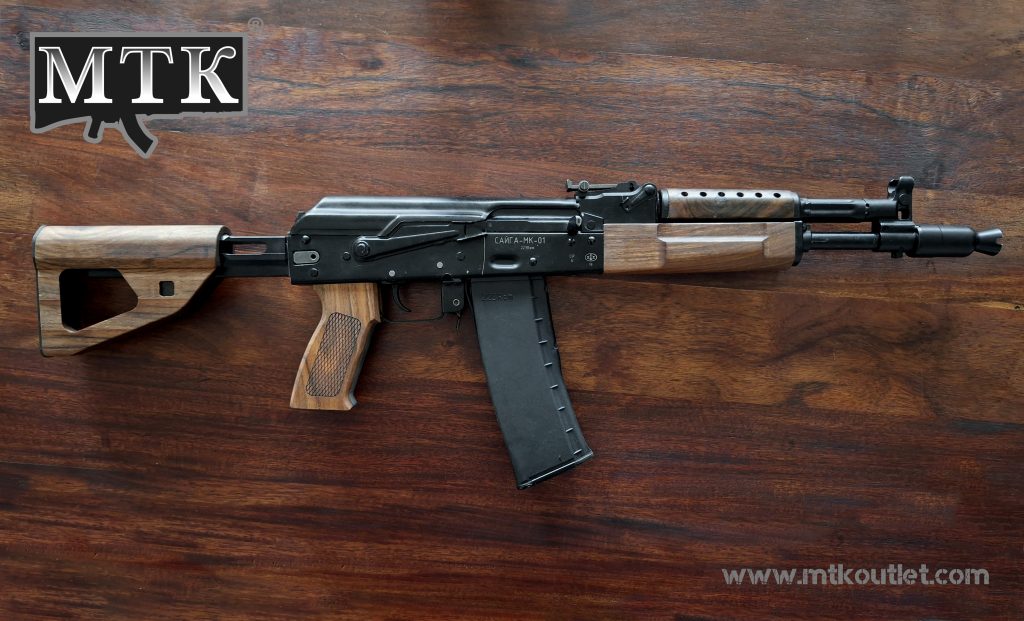
In the world of firearm customization, modern builds often lean heavily toward cold polymers, aluminum, and synthetic composites. While functional, they can sometimes lack character, warmth, and that distinct tactile connection that only natural materials can provide.
At MTK Outlet, we love pushing boundaries. That is why we asked ourselves: What happens when you combine classic, premium craftsmanship with modern modular platforms?
The answer is our latest exclusive release: the MTK Solid Walnut M4 Buffer Tube Stock.
A Design Like No Other on the Market
True to our commitment to innovation, this stock is completely one of a kind. We designed it for enthusiasts who refuse to compromise between aesthetics and rugged durability.
Carved from selected, high-grade solid walnut, each piece showcases rich, natural wood grain that is elevated through a meticulous hand-rubbed oil finish. The result is a stunning matte look that feels exceptional in your hands and ages gracefully with use.
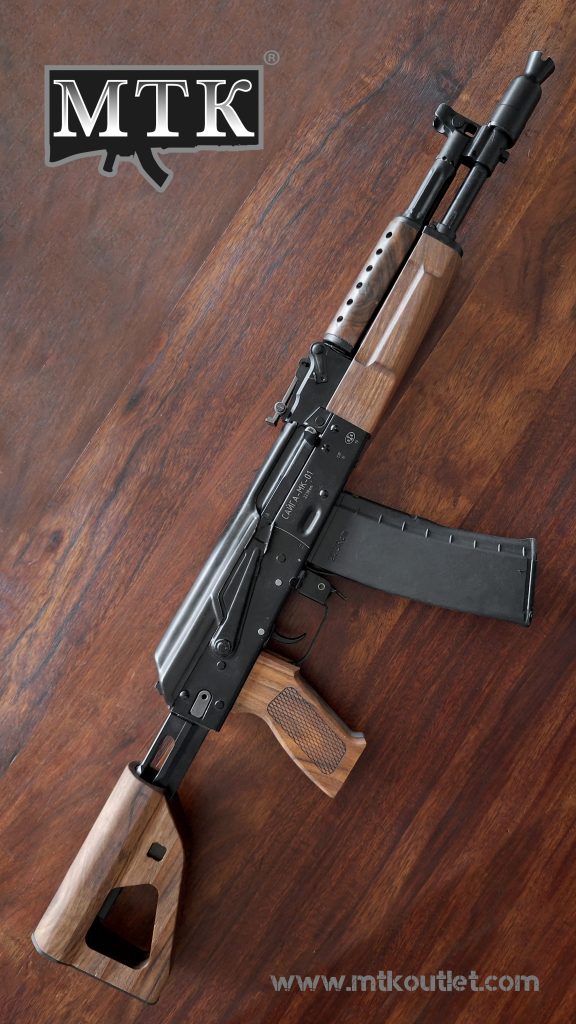
Engineered for Absolute Rigidity (Zero Wobble)
One of the most common complaints with adjustable stocks is unwanted play, rattling, or vibration. We engineered the MTK walnut stock to completely eliminate this issue.
- Rock-Solid Stability: Built to withstand demanding use, the structural integrity of this stock has been laboratory-tested in compression up to 300 kg of force.
- Precision Screw-Lock Adjustment: Rather than relying on a standard quick-release push button that can introduce loose tolerances over time, our stock features a robust hex-head screw adjustment system. Simply loosen, slide to your ideal length of pull, and tighten down. Once locked, it offers absolute rigidity with zero movement.

Attention to Detail
Every component is curated for performance. The rear of the stock is finished with a rugged, knurled metal butt pad that ensures a secure, non-slip placement against your shoulder. Furthermore, we’ve ensured seamless integration by making the stock fully compatible with both Mil-Spec and Commercial buffer tubes.
Elevate Your Build
Whether you are building a custom display piece or seeking a refined, premium feel for your range setup, the MTK Solid Walnut M4 Stock brings unmatched warmth, ergonomic comfort, and uncompromising strength to your platform.
Ready to upgrade your setup with something truly exclusive? [Discover the new Solid Walnut M4 Stock in our catalog today!] (MTK Outlet)


